Portable Tiny Homes NZ: Portable Cabins vs Tiny Homes – Which Is Right for You?
Finding a comfortable and affordable place to live in New Zealand is becoming harder every day. Whether you need more space for growing teenagers, a quiet spot to work from home, or a budget-friendly housing option, you have probably looked at smaller spaces. Two of the most popular choices right now are portable tiny homes and transportable cabins.
Both options offer a fantastic way to live with less clutter and more freedom. However, they are built differently, cost different amounts, and follow different rules. This guide will help you understand the core differences so you can choose the right option for your property and lifestyle.
Key Takeaways
- Tiny homes are built for long-term living and often include custom kitchens and bathrooms, but they cost much more to buy.
- Transportable cabins are highly flexible, quick to install, and can be rented weekly without huge upfront costs.
- Council rules depend on size and plumbing, making small movable cabins without built-in waste systems much easier to place.
- Room2Rent offers hassle-free portable cabin rentals across New Zealand with fast delivery and no long-term purchase stress.
What Are Portable Tiny Homes and Transportable Cabins?
What Makes a Home “Portable” in New Zealand?
In New Zealand, a portable small home is any structure built to move easily from one piece of land to another. These buildings are made in a factory rather than built on-site. They sit on strong chassis frames, wheels, or skids. This design allows a truck or a trailer to tow or lift them into place. Because they do not have deep, permanent foundations dug into the earth, you can shift them whenever your living situation changes.
Difference Between Tiny Homes and Portable Cabins
While people often use these terms interchangeably, they are quite different. A portable tiny home is usually a fully self-contained house on wheels or a trailer. It feels like a standard house but on a miniature scale, complete with a kitchen, bathroom, and loft bedroom.
On the other hand, transportable cabins are simpler, single-room spaces. They are designed to act as an extra bedroom, a sleepout, or a quiet office. They connect to your main home’s power but usually do not have complex internal plumbing, making them much lighter and easier to move.
Why Portable Housing Is Growing in NZ
House prices and rental costs across Kiwiland have forced many people to think outside the box. From Auckland down to Southland, people need quick, cheap space. Landowners use portable tiny cabins to earn rental income from spare land. Families use them to look after elderly relatives or give young adults their own space. They provide a fast solution to the housing squeeze without the long wait times of building a traditional home.
Portable Cabins vs Tiny Homes NZ: Key Differences Explained
Mobility and Ease of Relocation
A tiny mobile cabin is built on a trailer with wheels, meaning you can tow it with a large vehicle if you have the right license. However, because they are heavy and tall, moving them on public roads can be stressful and requires careful planning.
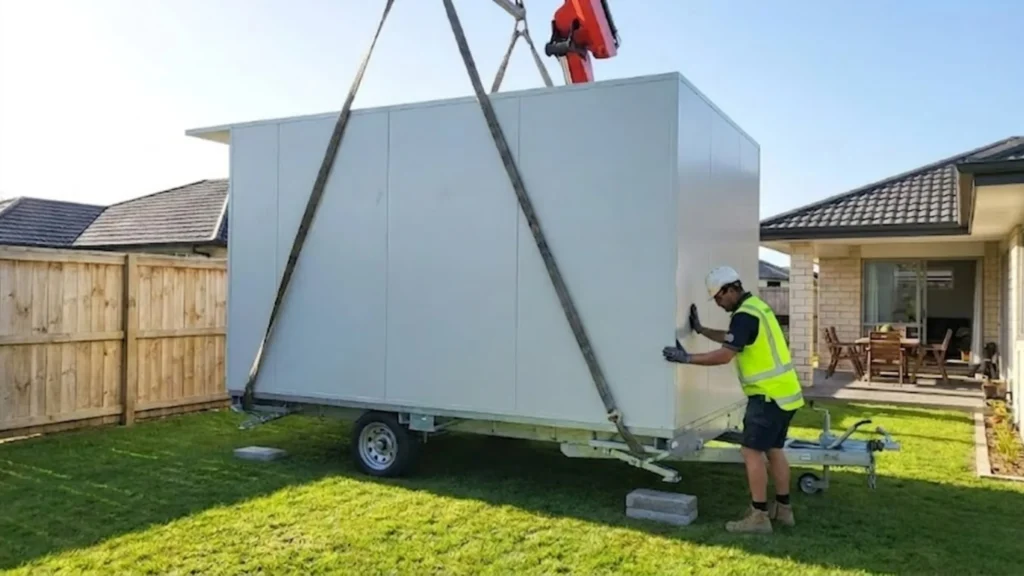
Transportable cabins nz choice from providers like Room2Rent are delivered directly by professionals using specialized trucks and trailers. They slide easily into tight backyard spaces and can be removed just as quickly when you no longer need them.
Size, Layout, and Living Space
Tiny homes utilize vertical space, often featuring high ceilings and loft bedrooms reached by ladders or small stairs. This setup is great for a single person or a couple but can feel cramped for families.
Small mobile cabins focus on single-level layout simplicity. They offer open floor space that you can set up as a bedroom, lounge, or workspace. There are no tricky ladders to climb, making them safer for young children or older family members.
Cost Comparison: Which Is More Affordable?
If you want the cheapest tiny homes nz has to offer, buying a full tiny home will still require a large amount of savings. A custom tiny home can cost anywhere from $80,000 to over $150,000.
Portable small cabins are significantly more affordable. Instead of spending your life savings, you can choose a low-cost weekly rental option. This keeps your cash in the bank while still giving you the exact space you need immediately.
Utility Connections and Setup Requirements
A full portable tiny home requires proper connections for greywater, blackwater sewage, and water mains. This often means hiring a plumber to connect the home to a septic tank or council sewer line, which adds massive costs.
Small movable cabins are much simpler to set up. They use a standard heavy-duty extension lead that plugs straight into an outdoor power point at the main house. This simple setup avoids expensive tradesman fees.
Rental vs Ownership Flexibility
Buying a portable tiny home means you own an asset, but you are also stuck with maintaining it. If you move to a new town or your living situation changes, selling a tiny home can take months.
Renting a cabin gives you ultimate freedom. You pay for the space while you need it—whether that is for six months or a few years—and when you are done, the team comes and tows it away.
Who Should Choose a Portable Cabin?
Best for Temporary Accommodation
Life can change fast. You might be renovating your main house, dealing with a family emergency, or hosting relatives for a few months. A portable cabin is the ultimate temporary fix. It arrives fully built, clean, and ready to use, giving you instant comfort without any construction noise or mess in your yard.
Ideal for Seasonal Workers and Families
Orchard owners, farmers, and builders across New Zealand rely heavily on seasonal staff. Providing comfortable accommodation is key to keeping good workers. Portable tiny homes for rent or lease offer a great solution here. For families, these cabins keep loved ones close by while giving everyone the privacy they need to live happily under the same sun.
Portable Cabin Homes for Extra Space or Sleepouts
If your kids are growing up and sharing a bedroom is causing arguments, a portable small home sleepout solves the problem overnight. It gives teenagers a private sanctuary for study and sleep, while parents get peace and quiet back in the main house. You can view the different layout options on the Room2Rent cabins page.
Portable Tiny Homes for Rent vs Buying
Buying a building locks up your capital. If you are a student, a temporary worker, or a family saving for a first home deposit, renting makes much more sense. Renting a portable cabin keeps your weekly budget predictable and avoids the hidden costs of property ownership like insurance, repairs, and depreciation.
Who Should Choose a Tiny Home?
Best for Long-Term Minimalist Living
If you are fully committed to downscaling your life for the next ten years, a tiny home is a beautiful path. It forces you to get rid of unnecessary clutter and live a simpler life. Because you own it, you can decorate it, paint the walls, and truly make it your own permanent sanctuary.
Tiny Mobile Cabin Options for Off-Grid Living
For those dreaming of living deep in the native bush or on a remote coastline, an off-grid tiny home is ideal. They can be built with large solar panels, rainwater collection tanks, and composting toilets. This setup allows you to live completely independent of council power and water grids.
Customisation and Lifestyle Benefits
When you build a tiny home, you control the design. You can choose where the windows go, add a full-sized gas cooker, or install a luxury tiled shower. This level of customisation creates a highly personal lifestyle, though it comes with a premium price tag and takes months to construct.
Are Tiny Homes Worth the Investment in NZ?
Tiny homes can be a good investment if you own land or have a guaranteed, long-term cheap lease. However, remember that unlike land, buildings lose value over time due to wear and tear. You must weigh the high initial cost against how long you plan to live in that single spot.
Portable Cabin Rules NZ: What You Need to Know
Do Portable Cabins Need Council Consent?
This is the most common question Kiwis ask. Under the New Zealand Building Act, small structures under 30 square meters often do not need a building consent, provided they do not have internal plumbing like toilets or kitchens. This is why standard portable cabins are so popular—they avoid the long, painful council approval process.
Building Regulations for Small Movable Cabins
Even if a building does not need council consent, it must still be structurally safe and well-made. Choosing a trusted company ensures your cabin has proper insulation, double-glazed windows, and safe electrical wiring that meets strict New Zealand standards.
Land Placement and Utility Requirements
You must place your cabin a safe distance from property boundaries, usually at least one meter, to comply with local district plans. The ground needs to be relatively flat and firm so the cabin can be leveled safely on blocks to keep it stable in high winds.
Transportable Cabins NZ Compliance Tips
To keep your setup stress-free, always chat with your local council if you live in a special zone, such as a flood plain or a heritage area. Choosing a cabin without built-in plumbing keeps things simple and helps you stay within standard rules. You can read more advice on the Room2Rent FAQs page.
Cheapest Tiny Homes NZ: Budget and Cost Breakdown
| Feature | Portable Cabin Rental | Tiny Home Purchase |
| Upfront Cost | Small bond and delivery fee | $80,000 – $150,000+ |
| Weekly Cost | Low, predictable rental fee | Ongoing bank loan repayments |
| Council Consent | Usually not required (if under 30m² with no plumbing) | Often required (especially with plumbing/waste) |
| Maintenance Costs | Fully covered by the provider | Fully covered by the property owner |
Average Cost of Portable Tiny Homes NZ
Buying a brand-new portable tiny home requires a major financial commitment. Prices start around $70,000 for basic shells and quickly climb over $130,000 for luxury models. For many everyday Kiwis, finding this amount of cash or getting a bank loan can be incredibly difficult.
Hidden Costs to Consider Before Buying
The purchase price is never the final cost. You must factor in delivery fees, which can run into thousands of dollars if a crane is needed. You also have to pay for site leveling, utility connections, council consent application fees, and ongoing property maintenance.
Renting vs Buying Portable Small Cabins
Renting completely removes financial risk. There are no massive loans to pay back to the bank and no worries about the building losing value over time. You simply pay a clear, budget-friendly weekly fee that fits your current income.
Financing and Weekly Rental Options
With inflation impacting everyday living costs, flexible financial options are vital. Renting a cabin allows you to preserve your cash flow. If your circumstances change, you can end the rental agreement rather than being stuck with a large asset that you cannot sell quickly.
Alternatives to Nifty Cabins NZ and Other Tiny Home Providers
Comparing Portable Cabin Providers in NZ
There are several cabin companies out there, such as Nifty Cabins NZ, but it pays to look closely at what you get for your money. Some companies only sell cabins, while others have strict, complex delivery rules or low-quality insulation that makes the room freezing in winter.
Why More Kiwis Choose Flexible Cabin Rentals
Kiwis love working with local teams who understand their specific region. Room2Rent operates across both the North and South Islands through a dedicated network of local owners who care about their communities. You can find your local provider on the Room2Rent regions page.
Fast Delivery and Easy Installation Benefits
While ordering a custom tiny home can take six months to a year, a rental cabin can often be delivered to your property within days. The installation is handled entirely by an expert team, meaning you do not have to lift a finger or worry about balancing the structure yourself.
How to Choose the Right Portable Small Home for Your Needs
Questions to Ask Before Renting or Buying
Before making a final choice, take a moment to ask yourself these practical questions:
- How long do I actually need this extra living space?
- Do I have easy access to my backyard for a large delivery trailer?
- Is my electrical board ready to power an extra room?
- What is my true maximum monthly budget?
Best Option for Rural, Urban, and Lifestyle Blocks
If you live in a tight urban section in Auckland West, a compact rental cabin is perfect because it fits into small spaces easily. For lifestyle blocks in the Waikato or Rotorua, cabins provide instant accommodation without ruining your beautiful views or requiring permanent changes to your land.
Matching Your Budget With the Right Cabin Size
It is wise to only pay for the space you will actively use. A single person trying to save money only needs a small, cozy space for a bed and a TV. Room2Rent offers different cabin sizes to ensure you get the best value for your hard-earned money.
Future-Proofing Your Portable Living Setup
Your needs today might be completely different in two years. A rental cabin allows you to upgrade to a larger size if your family grows, or return it if a family member moves out. This level of adaptability helps you future-proof your lifestyle without any financial waste.
Are Portable Cabins Better Than Tiny Homes?
When a Portable Cabin Makes More Sense
A portable cabin is the clear winner if you need space quickly, want to avoid dealing with stressful council building paperwork, and prefer to keep your upfront costs as low as possible. It is the smartest choice for temporary living, home offices, and smart rental options.
When a Tiny Home Is the Better Choice
A tiny home is the right choice if you want a permanent, self-contained home, love the idea of living completely off-grid, have significant savings ready to spend, and want to own the building for many years to come.
The Best Affordable Housing Option for Flexibility in NZ
For the vast majority of people looking for flexibility, safety, and fast results, transportable cabins offer an unbeatable solution. They take the stress out of the housing market and give you comfortable, warm accommodation right when you need it most.
Find the Right Portable Cabin for Your Lifestyle
Explore Affordable Portable Cabins Available Across New Zealand
No matter where you live in our beautiful country, quality accommodation is within reach. You can discover the perfect space for your backyard by visiting the main Room2Rent website.
Talk to Room2Rent About Flexible Cabin Rental Options
Ready to take the next step? The friendly, experienced team at Room2Rent is here to help you guide the process smoothly. Read more about the passionate team behind the business on the Room2Rent about us page.
Request a Quote or Delivery Information Today
Getting your extra room sorted is easy. Contact your local regional team today to check availability and get a fast delivery quote:
- Auckland West Cabin Rentals
- Waikato and Hamilton Cabin Rentals
- Rotorua and Bay of Plenty Cabin Rentals
- Hawke’s Bay Cabin Rentals
- Taranaki and New Zealand Plymouth Cabin Rentals
- Taupo and Central Plateau Cabin Rentals
- Wanganui and Rangitikei Cabin Rentals
- Palmerston North and Manawatu Cabin Rentals
- Horowhenua Cabin Rentals
- Wairarapa, Masterton and Carterton Cabin Rentals
- Kapiti Coast Cabin Rentals
- Greater Wellington Cabin Rentals
- Nelson, Blenheim, Marlborough and Picton Cabin Rentals
If you are interested in starting your own local cabin business, you can also explore the exciting Room2Rent franchise opportunities.
Frequently Asked Questions
In New Zealand, you generally do not need council building consent for a portable cabin if it is under 30 square meters in size and does not contain internal plumbing like a toilet or kitchen. However, you must still follow local district rules regarding boundary lines and land placement. Choosing a cabin without plumbing keeps the setup quick and easy.
The main difference is their purpose and layout. A tiny home is a complete, self-contained small house with a built-in kitchen and bathroom designed for long-term independent living. A portable cabin is a high-quality, single-room space used as an extra bedroom, sleepout, or home office that plugs directly into the power supply of a main house.
Yes, you can live permanently in a tiny home, but it requires careful planning regarding where you place it. You must ensure you have legal access to the land, proper waste management for greywater, and compliance with your local council’s district plan rules. Many people find renting a portable cabin much simpler for flexible accommodation needs.
Renting is far cheaper upfront because you avoid the massive costs of purchasing a building, which can require tens of thousands of dollars. Renting a cabin from Room2Rent gives you predictable weekly costs, covers all your maintenance, and allows you to return the cabin easily whenever your living situation changes down the road.