How Do Portable Cabins Handle Rotorua’s Damp Winter Conditions?
The Rotorua Reality Check
Rotorua winters are a bit of a paradox. You’ve got geothermal steam drifting past your window one minute, then a cold southerly rolling in off the lake the next. Add in the region’s naturally high humidity and you’ve got a climate that can turn a poorly built structure damp, musty and cold within a single season. If you’re weighing up cabins for rent in Rotorua, this is exactly the question you should be asking: will it actually cope?
The honest answer is that not every portable cabin handles it well. Cheap builds with no ventilation plan or thin insulation can trap moisture inside the walls, and that’s how you end up with condensation on the windows, a musty smell, and mould creeping into corners by August. A cabin that’s been designed with Rotorua’s climate in mind is a different story altogether.
A good portable cabin manages Rotorua’s damp winters through three things working together: proper airflow (so moist air has somewhere to go), sealed and insulated walls (so warmth doesn’t escape and cold surfaces don’t attract condensation), and efficient heating that doesn’t cost a fortune to run. Room2rent’s cabins are built with all three in mind, so you get a space that stays warm, dry and comfortable from June through to September.
Key Takeaways
- Rotorua’s humidity and geothermal steam make ventilation and moisture control essential, not optional.
- Passive airflow, trickle vents and breathable linings stop condensation before it starts.
- Raised, ventilated flooring keeps ground damp out of the cabin’s structure.
- Good insulation means faster heating and lower power bills.
- Smaller cabins heat up quicker, making them genuinely cosy through winter.
- Setup and positioning on-site also affect winter performance.
What We Mean by “Winter-Ready”
When people ask how a cabin “handles” winter, they’re really asking three separate questions rolled into one: does it stay dry inside, does it stay warm, and does it stay comfortable to live or work in day to day. A cabin can tick one of those boxes and still fail at the other two, which is why it’s worth understanding how each piece fits together rather than just taking a seller’s word for it.
Think of it like a raincoat. A jacket that’s waterproof but has no breathability leaves you drenched in sweat within the hour. The same logic applies to a cabin — keeping water out is only half the job. The other half is letting the moisture that’s already inside (from breathing, cooking, or just being alive) find its way back out again.
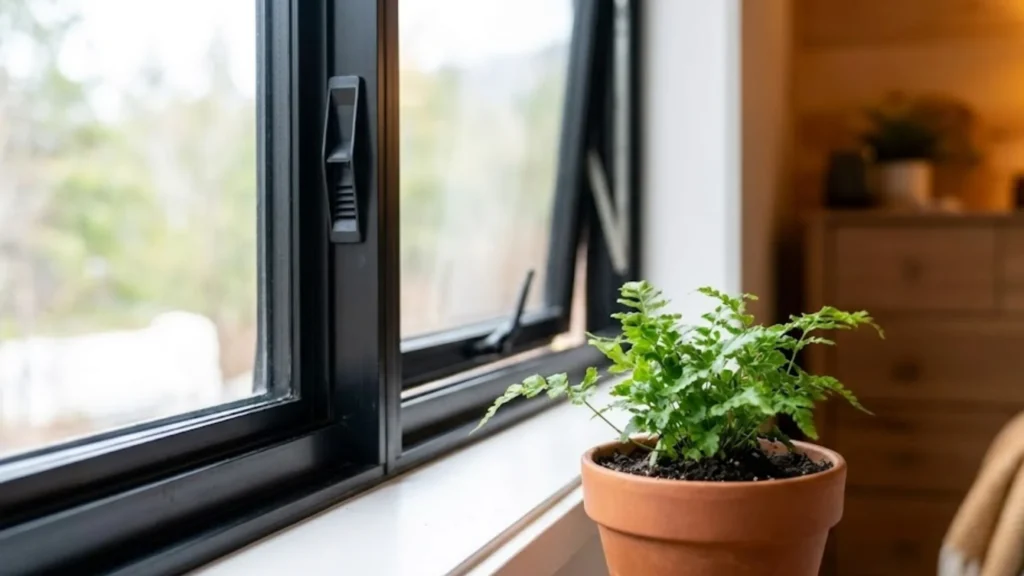
Ventilation: Letting the Cabin Breathe
Ventilation is the part most people overlook, yet it’s arguably the most important piece of the puzzle. Every time you boil the jug, breathe, or bring in damp clothes, you’re adding moisture to the air inside your cabin. Without anywhere for that moisture to go, it settles on the coldest surfaces it can find, usually windows and corners, and that’s the start of condensation and mould.
Passive Airflow Design
A well-built cabin uses subtle, passive airflow, such as vents positioned low and high on opposite walls, to keep air moving without you having to think about it. This creates a gentle cycle where fresh air comes in low and moist, warm air escapes higher up, taking the damp with it.
Window Placement and Trickle Vents
Windows aren’t just there for light. Positioned and fitted correctly, with trickle vents built into the frames, they let you crack a small, controlled gap for airflow even on a wet Rotorua day, without letting the rain in or losing all your heat.
Moisture Management: Keeping Damp Out and Dry In
Moisture management is about two things at once: stopping outside dampness from getting in, and giving inside moisture a way to escape. Rotorua’s soil and steam add a layer most other regions don’t have to think about, so cabins here need a slightly higher standard of protection underneath and around the structure.
Damp-Proof Flooring and Base
The base of the cabin matters more than people expect. A raised, ventilated underfloor stops ground moisture from wicking up into the timber, which is a common issue with cabins placed directly on damp soil. This is one of the small details that makes a genuine difference over a Rotorua winter.
Sealed Joints and Weatherproofing
Every seam, joint and window frame is a potential entry point for water. Properly sealed joints, quality flashings, and a well-fitted roof stop rain from finding its way in during the sideways downpours Rotorua is known for.
Internal Moisture Control
Inside, breathable wall linings and a vapour barrier work together so that moisture generated indoors, like from a heater drying the air or clothes hung to dry, doesn’t get trapped inside the wall cavity where you can’t see it forming mould.
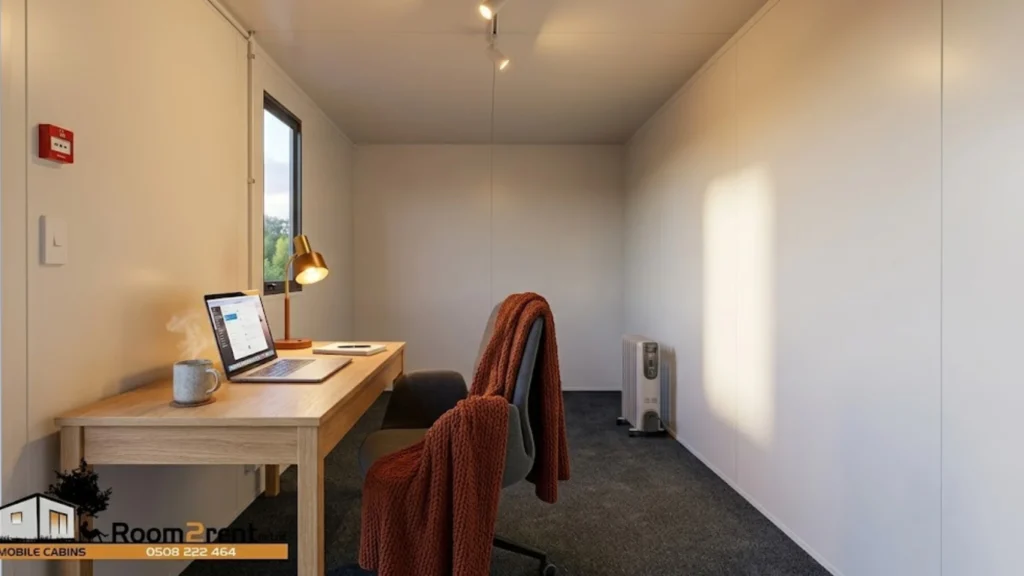
Heating Efficiency: Warm Without the Power Bill Shock
A cold, damp cabin isn’t just uncomfortable, it’s also more expensive to heat, because you’re constantly fighting drafts and heat loss. A well-insulated, well-sealed cabin needs far less energy to stay warm, which matters a lot when power prices climb every winter.
Insulation That Actually Works
Quality insulation in the walls, floor and ceiling is what keeps the heat you generate inside the cabin instead of leaking out through gaps and thin panels. This is the difference between a heater that struggles all evening and one that gets the room comfortable within minutes.
Compact Spaces Heat Up Faster
There’s a genuine upside to a cabin’s smaller footprint here: less air volume means less energy needed to heat it. A Standard Cabin at 3.6m x 2.4m warms up noticeably faster than a full-sized room, which is one reason people use them as cosy home offices or sleepouts through winter.
Comfortable Living: Putting It All Together
When ventilation, moisture management and heating efficiency all work together, the result is a cabin that genuinely feels liveable in July, not just in summer. That’s the real test of a good portable cabin, and it’s what separates a proper build from a glorified shed.
| Cabin Type | Best Suited For | Winter Comfort Notes |
| Standard Cabin (3.6m x 2.4m) | Solo home office, sleepout, small studio | Quick to warm, easy to keep dry, ideal for one person |
| Large Cabin (4.2m x 2.4m) | Couples, flexible living plus workspace | Room for a small heater setup and sitting area |
| Extra Large Cabin (4.8m x 2.4m) | Families, multi-desk business use | More space to manage, still holds heat well when sealed properly |
Key Benefits
- Stays dry, not just watertight — ventilation and moisture control work together so condensation doesn’t build up unseen.
- Warms up quickly — smaller, well-insulated spaces reach a comfortable temperature faster and cheaper than a full room.
- Handles Rotorua’s specific climate — raised flooring and sealed joints are built with local humidity and geothermal ground conditions in mind.
- Flexible for any use — from a home office to a teenager’s retreat, the same winter-ready build applies across all sizes.
- Backed by proper delivery and setup — positioning and levelling on-site plays a part in how well a cabin performs, which is worth reading about in our guide on portable cabin delivery and logistics.
Ready for a Cabin That Handles Rotorua Winters?
If you’ve been putting off a home office, sleepout or extra room because you’re worried about damp and cold, it’s worth seeing what a properly built cabin can actually do. Have a browse through our range of cabins, check out cabins available in Rotorua and the Bay of Plenty, or simply get in touch with our team for a no-pressure chat about what would suit your section and your budget.
Staying Warm and Dry Doesn’t Have to Be Complicated
Rotorua’s winters ask a lot of any building, but a portable cabin built with proper ventilation, moisture management and efficient heating in mind can handle it comfortably. It comes down to the details: airflow that keeps moving, a base that keeps damp out, insulation that keeps warmth in, and a size that suits how you’ll actually use the space. Get those right, and a cabin stops being a compromise and starts being a genuinely comfortable place to work, sleep or unwind, whatever the weather’s doing outside. If you’d like help figuring out which option fits your section, our team at Room2rent is happy to talk it through.
Frequently Asked Questions
Not if they’re built properly. Good ventilation, sealed joints, and a raised floor stop moisture from building up. Cheaper cabins without these features can get damp, so it’s worth checking the build quality before you rent.
Condensation forms when warm, moist air hits a cold surface. Passive vents, trickle vents in windows, and breathable wall linings let moisture escape instead of settling on glass or in corners overnight.
Yes, when properly insulated. Their smaller size actually helps, since less air needs heating. A small heater in a well-sealed cabin can bring the temperature up comfortably within minutes.
It depends on how you’ll use it. A Standard Cabin suits one person and heats up fastest. A Large or Extra Large Cabin gives more room but still stays cosy with proper insulation and sensible heating.
Yes, ideally. A raised, ventilated base stops ground moisture from soaking into the floor structure, which matters more in Rotorua than in drier parts of the country due to soil and geothermal humidity.
Yes, most small electric heaters are designed for compact spaces and are safe when used as directed. Keep flammable items clear of the heater and make sure the cabin has adequate ventilation while it’s running.
Costs vary with heater type and usage, but smaller, well-insulated cabins generally cost less to heat than a full room because there’s less air volume and less heat loss through the walls.
A properly ventilated, insulated cabin shouldn’t develop mould under normal use. If you do spot early signs, wiping surfaces with a mild vinegar solution and improving airflow usually resolves it quickly.
Often, yes. Renting a cabin avoids the cost, consent process and time of a renovation. For a fuller comparison, see our article on portable cabins vs renovations.
Room2rent supplies portable cabins across the Rotorua and Bay of Plenty region. You can view current options on our Rotorua region page or contact us directly for availability.